
Tarangire National Park: Tanzania's Elephant Country
July 20, 2026
Tarangire National Park: Tanzania's Elephant Country
Tarangire gets treated as a warm-up park by a lot of first-time itineraries, a stop on the way to somewhere bigger, and that undersells it. It has the highest elephant density of any park in Tanzania and a landscape genuinely unlike anywhere else on the northern circuit.
Why the Elephants Concentrate Here Specifically
The Tarangire River is the area's only reliable water source through the long dry season, drawing elephant herds, along with most of the park's other wildlife, into the river valley from a much wider surrounding area between June and October. Herds of several hundred elephants aren't unusual during the driest months, a scale of elephant viewing that's genuinely hard to match elsewhere in Tanzania.
The Baobabs Are Worth the Trip on Their Own

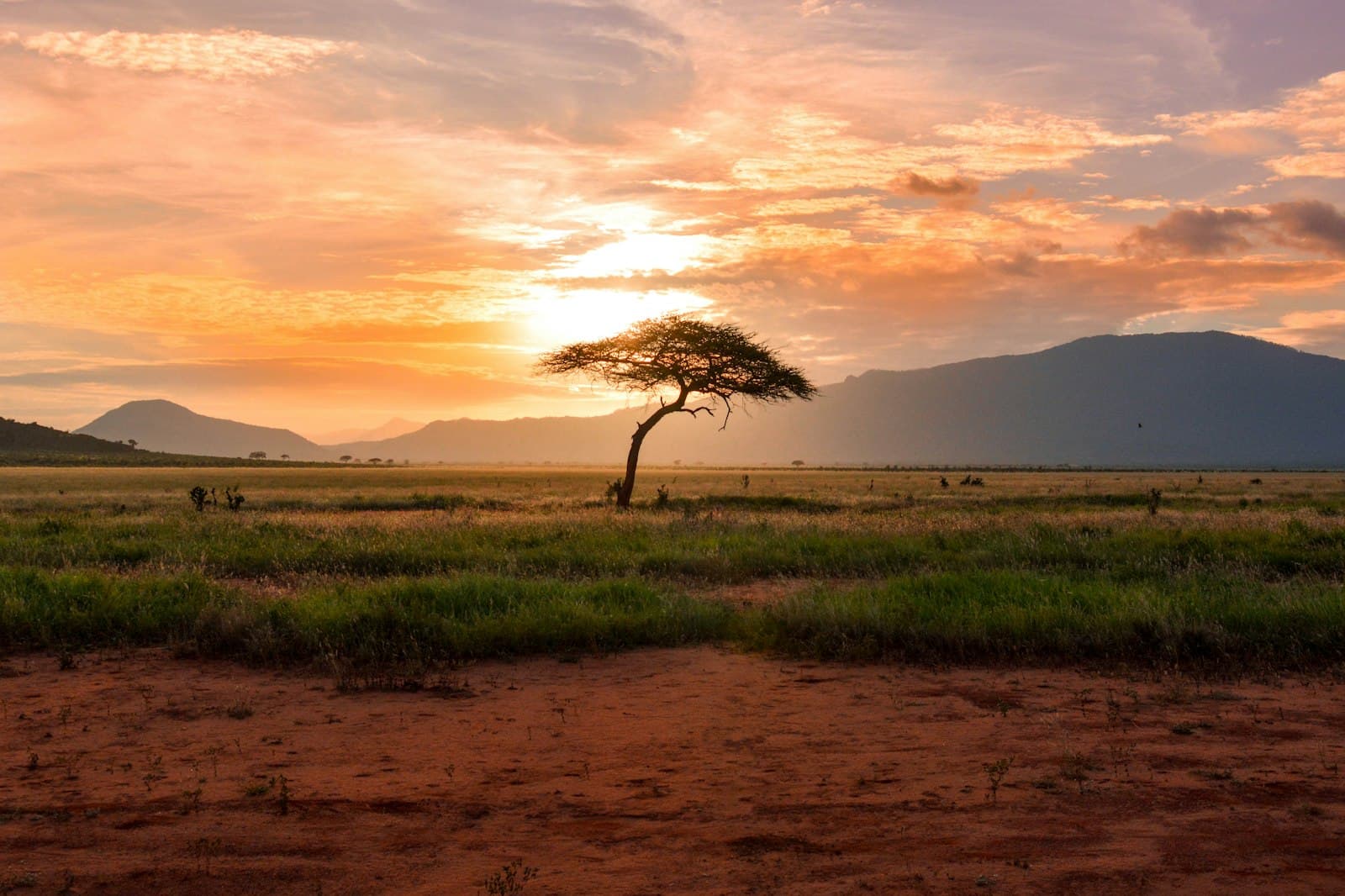
Tarangire's landscape is defined by ancient baobab trees, some estimated at well over a thousand years old, scattered across golden grassland in a way that makes the park instantly recognizable in photographs even to people who've never visited. Elephants strip bark from the baobabs during the driest stretches of the year for the moisture stored inside, a behavior that's visibly reshaped many of the older trees over decades.
A Genuinely Underrated Park for Birdlife
Tarangire records over 550 bird species, among the highest counts of any Tanzanian park, including the striking yellow-collared lovebird found in few other places on the northern circuit. Birdwatchers on our itineraries consistently rate Tarangire as a highlight for exactly this reason, even when it wasn't the main draw going in.
Fewer Vehicles Than the Bigger-Name Parks
Tarangire sees meaningfully lower visitor volume than the Serengeti or Ngorongoro, which translates directly into a quieter experience at sightings, fewer vehicles jostling for position, and a slower, less crowded pace generally. For travelers who found the idea of a packed viewing area off-putting, Tarangire is often the park that changes their mind about the rest of the trip.
Seasonal Differences Worth Planning Around
The dry season from June through October is when Tarangire's wildlife concentration peaks around the river, delivering the densest game viewing of the year. During the wetter months, wildlife disperses across a wider area as temporary water sources appear elsewhere in the park, meaning lower concentration but a genuinely greener, quieter landscape and noticeably better birdlife given the seasonal migrants passing through.
How Tarangire Fits Into a Broader Itinerary
Tarangire sits on the route between Arusha and the rest of the northern circuit, making it a natural first or last stop on most itineraries rather than requiring a separate detour. Our 3-Days Tarangire and Ngorongoro Safari pairs it directly with the crater for a shorter circuit that still covers two genuinely distinct ecosystems without the longer drive out to the Serengeti.
What a Typical Day Looks Like
Game drives here spend real time along the river valley itself, where the density of wildlife means slower, more deliberate driving rather than long stretches covering ground between sightings. Afternoon light along the river, with elephant herds silhouetted against the water and baobabs, is consistently one of the more photographed scenes on our northern-circuit itineraries.
Walking Safaris and Night Drives
Some private concessions bordering Tarangire permit walking safaris and night drives, activities the core national park itself restricts, giving access to a different side of the ecosystem, including nocturnal species like aardvark and porcupine rarely seen on standard daytime game drives. Worth asking about specifically if these activities matter to your itinerary.
Predators Alongside the Elephants

Tarangire holds strong lion and leopard populations too, often overshadowed in people's expectations by the elephant numbers, along with the occasional cheetah on the more open grassland sections. Guests arriving expecting purely an elephant park are frequently surprised by how much else turns up across a full day of driving.
The Swamps in the Southern Sections
Beyond the main river valley, Tarangire's southern reaches hold seasonal swamps that draw their own concentration of wildlife, including large buffalo herds and a different mix of bird species than the drier northern sections. Fewer itineraries venture this far south given time constraints, which makes it a genuine option for repeat visitors or longer stays looking for a section of the park most other travelers skip.
How Tarangire Compares to Amboseli in Kenya
Guests who've researched Kenya's Amboseli sometimes ask how the two elephant-focused parks compare. Tarangire is considerably larger and more varied in landscape, with its baobabs and river valley, while Amboseli's smaller, more concentrated swamps and the Kilimanjaro backdrop give it a different, more singular signature view. Neither substitutes for the other, and travelers doing both countries often find them complementary rather than redundant.
A Practical Note on Road Conditions
The road between Arusha and Tarangire is well-maintained and generally a comfortable two-hour drive, one of the easier transfers on the northern circuit. Roads within the park itself range from well-graded main routes to rougher tracks toward the southern sections, which is worth knowing if a smoother ride matters more to you than reaching the quieter, less-visited areas.
Termite Mounds and the Smaller Details Worth Noticing
Beyond the headline elephant herds, Tarangire's landscape is dotted with termite mounds that rise several meters tall in places, often used by smaller predators and raptors as vantage points, and a genuinely interesting detail guides enjoy pointing out to guests who assume the mounds are just scenery. It's the kind of smaller observation that adds texture to a day when the bigger sightings happen to be quieter than usual.
Combining Tarangire With Lake Manyara
A short additional drive connects Tarangire to Lake Manyara National Park, known for its tree-climbing lions and dense birdlife around the alkaline lake itself, making the two a natural pairing on itineraries with an extra day to spare before continuing on to Ngorongoro or the Serengeti. The contrast between Tarangire's dry, baobab-studded terrain and Manyara's lush lakeside forest is itself part of what makes the combination worthwhile.
Photographing Tarangire Specifically
The combination of golden grassland, ancient baobab silhouettes, and dense elephant activity along the river gives Tarangire a genuinely distinctive photographic character compared to the flatter, more uniform plains of the Serengeti. Late afternoon light along the river valley is consistently the strongest window for photography here, with elephants often backlit against the water in a way few other parks on the circuit replicate as reliably.
Why We Often Recommend Tarangire to Photographers First
Guests specifically prioritizing photography over pure species-checklist viewing are often steered toward extra time in Tarangire precisely because the baobabs and river-valley light give a stronger sense of place in a single frame than the more expansive, harder-to-compose Serengeti plains. It's a detail worth mentioning to your guide early in the trip if photography is a genuine priority rather than an afterthought.
Tarangire rewards travelers who don't treat it as a footnote on the way to somewhere else. Given a proper day or two rather than a rushed half-day pass-through, it consistently ranks among the small handful of parks our repeat guests specifically ask to revisit on a later return trip, often citing the elephants and the ancient baobabs together, side by side, as the specific reason why they genuinely wanted to come all the way back a second time around, sometimes with friends they'd talked into joining them.
Frequently asked questions
When is the best time to see elephants in Tarangire?
June through October, the dry season, when elephant herds concentrate along the Tarangire River in search of water, sometimes in groups of several hundred.
Is Tarangire worth visiting if I'm also going to the Serengeti?
Yes — Tarangire's elephant density, ancient baobabs, and quieter, less crowded feel make it a genuinely distinct experience rather than a smaller version of the Serengeti.
How many days should I spend in Tarangire?
One to two days is typical on most itineraries, enough to properly explore the river valley without over-extending a trip that also covers other northern-circuit parks.
Can I do a walking safari in Tarangire?
Not inside the core national park, but several private concessions bordering Tarangire do offer walking safaris and night drives.
Is a Tarangire National Park safari worth it, and how does Tarangire compare to the Serengeti?
Yes — a Tarangire National Park safari offers the highest concentration of Tarangire elephants anywhere in Tanzania. The best time to visit Tarangire for elephant viewing is June through October, and Tarangire vs Serengeti comes down to scale and crowds: Tarangire is smaller, quieter, and less expensive to include.
Plan a trip inspired by this post
Chat with us on WhatsApp to build a safari around what you just read.
Plan my safari