
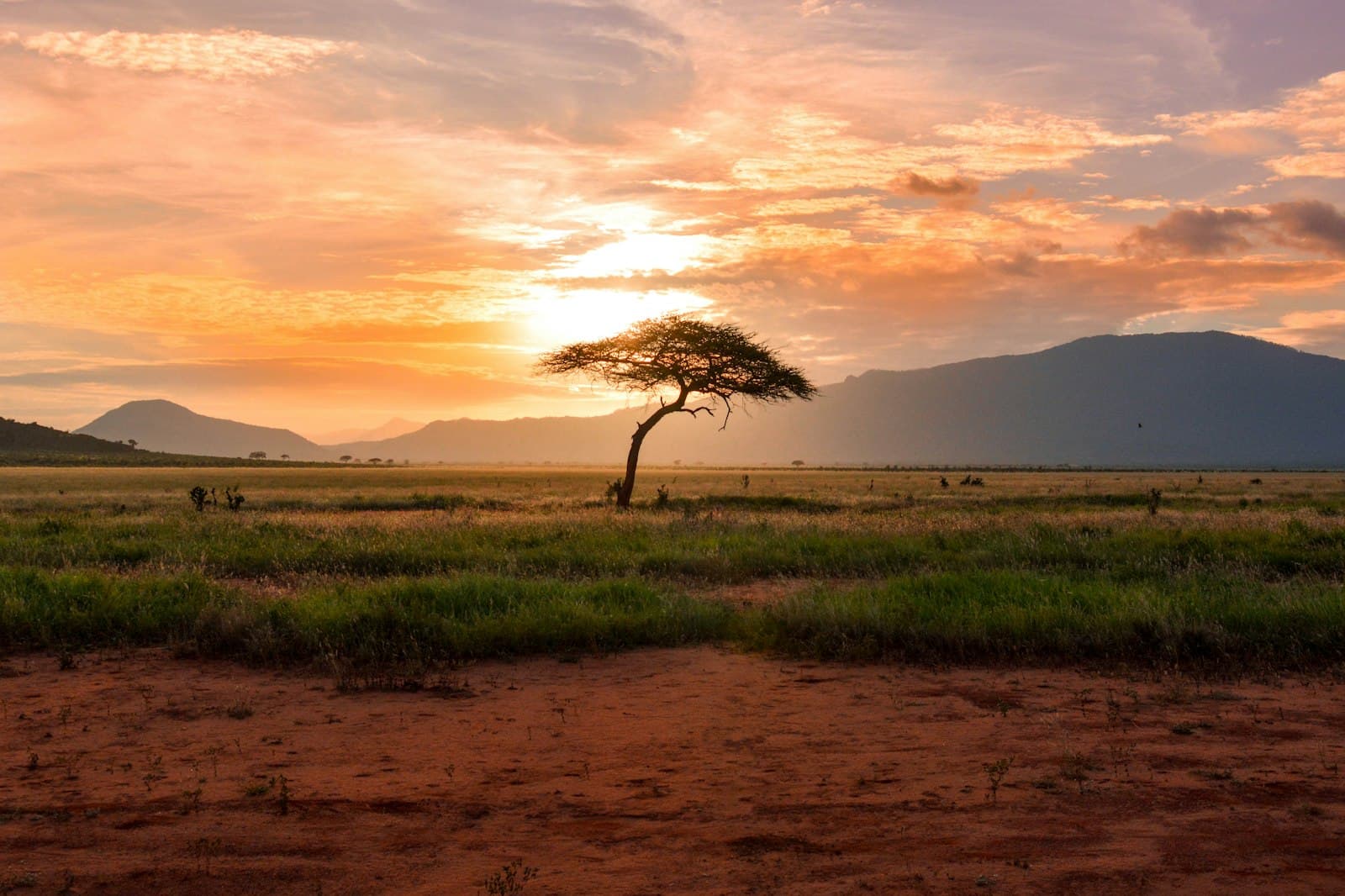
Tanzania Safari Packing List: What to Actually Bring
July 20, 2026
Tanzania Safari Packing List: What to Actually Bring
Most safari packing lists online are recycled from each other and half the items on them don't matter. After years of watching what guests actually use versus what sits untouched in their duffel all week, here's what we'd tell a friend to actually pack.
Clothing Colors: This One Actually Matters
Stick to neutral earth tones — khaki, olive, tan, brown — and avoid bright colors, white, and black. White gets impossibly dirty on dusty roads within a day. Black and dark blue attract tsetse flies in the parks where they're present, particularly Tarangire and parts of the Serengeti, and a tsetse bite is genuinely unpleasant. This is the one packing rule that actually changes your comfort level on game drives, not a superstition.
Layers Matter More Than Any Single Item
Game drives start early, often before 6am, when it can be surprisingly cold in an open vehicle even near the equator. Temperatures in the Ngorongoro highlands can drop close to freezing overnight. By mid-morning the same day can hit 30 degrees Celsius. Pack a fleece or light jacket, a long-sleeve layer, and a t-shirt, and expect to shed layers through the morning rather than needing one outfit for the whole day.
Footwear: Fewer Options Than You'd Think
A pair of comfortable closed-toe walking shoes covers nearly everything on a standard vehicle-based safari, since most game viewing happens from the vehicle itself. If your itinerary includes a walking safari or a village visit, sturdier hiking shoes with ankle support are worth the extra weight. Sandals are fine for camp in the evening but not for daytime wear given the dust and occasional thorny scrub near camp perimeters.
The Gear That's Actually Worth Bringing

Binoculars are the single most under-packed item we see. A shared pair between two travelers is genuinely not enough when a leopard is 200 meters off in a tree and everyone wants their own view, and a basic pair, not an expensive set, makes a real difference. A dry bag or large ziplock for your phone and camera covers you for the inevitable dust of an open vehicle on a dirt road. A headlamp matters more than a regular flashlight, since most camps have limited lighting after dinner and you'll want both hands free walking back to your tent.
What to Skip
Multiple full outfit changes for each day aren't necessary. Most lodges and camps, including everything in our mid-range and luxury tiers, offer same-day or next-day laundry service, so five days of clothing genuinely covers a ten-day trip. Heavy hiking boots are overkill unless your itinerary specifically includes trekking or a walking safari. A full-size tripod is rarely worth the bag space unless serious photography is the whole point of your trip — a beanbag resting on the vehicle window ledge does most of the same job for wildlife shots.
Sun and Bug Protection
A wide-brim hat, sunglasses, and SPF 30 or higher sunscreen are non-negotiable. The equatorial sun at altitude is stronger than most travelers expect, even on overcast days. DEET-based insect repellent matters most around dawn and dusk near water sources and in the more forested parks like Lake Manyara, and it's worth reapplying more often than the bottle suggests in genuinely humid conditions.
Electronics and Charging
Most lodges and permanent camps run on generator or solar power with standard outlets available in rooms, though some remote mobile camps only offer charging at a central mess tent for a few hours each evening, so a portable power bank is genuinely useful insurance rather than overkill. Tanzania uses the British-style three-pin plug, so a universal adapter is worth packing before you arrive rather than hoping camp shops stock one. A phone camera handles most casual wildlife photography reasonably well at close range, but if you're serious about photographing animals at a distance, a camera with at least a 200mm equivalent zoom makes a real difference over a phone's digital zoom.
A Simple Way to Think About the Whole List
If we had to boil this down to one sentence: pack for temperature swings, protect your eyes and skin from strong sun, bring your own binoculars, and don't overthink the rest. Camps handle laundry, meals, and drinking water, which removes most of what makes packing for other kinds of trips complicated. The travelers who arrive overpacked are usually the ones who researched the most online lists and tried to prepare for every single one of them rather than trusting that a week in neutral-colored layers with good sun protection covers nearly everything that actually comes up.
Documents and Health Prep

Your passport needs at least six months' validity from your entry date, and most travelers need a Tanzania e-visa arranged in advance. [CONFIRM: current visa fee and processing time, as both change periodically.] A yellow fever certificate is only required if you're arriving from a country with risk of yellow fever transmission, not for all visitors, but check current requirements against your specific travel history before you fly. Malaria prophylaxis is a personal medical decision to make with your own doctor, not something we can advise on directly, though most of our guests do take some form of it.
One Bag, Not Two
If any part of your itinerary includes a light aircraft transfer between parks, which is common on longer or more remote circuits, weight and bag-shape limits apply, typically a soft-sided duffel under 15kg rather than a hard-shell suitcase, since the small planes have limited cargo space. Ask your operator before you pack, not after you've already filled a hard case that won't fit.
A Few Small Things That Are Easy to Forget
A basic first-aid kit with blister plasters, rehydration salts, and any personal prescription medication in its original packaging covers most minor issues that come up on the road, since the nearest pharmacy can be hours away depending on the day's itinerary. Wet wipes and hand sanitizer are used constantly between rest-stop opportunities on longer game drive days. A reusable water bottle cuts down on the plastic bottles that otherwise pile up over a week, and most camps are happy to refill it. Small denomination US dollars, printed after 2009 and in good condition since older or damaged notes are frequently refused, are worth having on hand for tips and small purchases at curio shops along the way.
What We'd Pack Differently for a Family Trip
Traveling with kids changes a few specifics worth planning ahead for: bring more entertainment for the driving stretches between parks than you think you'll need, since some transfer days run three or four hours, and pack a broader-brimmed hat and higher-SPF sunscreen for children than you'd choose for yourself, since kids sunburn faster in equatorial sun even under a shaded vehicle roof. We cover more family-specific safari planning in a separate post, but from a packing standpoint, the core list above barely changes — just scale the sun protection up.
None of this needs to be complicated or expensive. Most of what actually matters on safari is about being comfortable in an open vehicle for several hours a day, not having the right gear-shop equipment. Pack light, pack in neutral colors, and bring your own binoculars, and you'll be better equipped than most of the travelers we pick up at the airport.
Frequently asked questions
What colors should I avoid wearing on safari?
Avoid white, black, and dark blue — white shows dust immediately, and black and dark blue attract tsetse flies in parks like Tarangire where they're present. Stick to khaki, olive, and tan.
Do I need a visa to visit Tanzania?
Most visitors need a Tanzania e-visa arranged in advance of travel. [CONFIRM: current visa fee and processing details, as these change periodically.]
Is malaria a risk on a Tanzania safari?
Most safari areas carry some malaria risk, and prophylaxis is a personal medical decision best made with your own doctor before you travel — we're not able to advise on medication directly.
How many outfits do I actually need for a week-long safari?
Far fewer than you'd think — most mid-range and luxury camps offer same-day laundry service, so around five days of clothing comfortably covers a ten-day trip.
What should I pack for safari, and what are the biggest packing mistakes?
What to pack for safari comes down to a solid gear checklist: neutral safari clothing colours, layers, sun protection, and binoculars. The most common packing mistakes are overpacking outfits and forgetting a warm layer for cold mornings — see our full list above for exactly what to wear on safari in Africa.
Plan a trip inspired by this post
Chat with us on WhatsApp to build a safari around what you just read.
Plan my safari