
Mount Meru: Tanzania's Underrated Warm-Up Climb
July 20, 2026
Mount Meru: Tanzania's Underrated Warm-Up Climb
Mount Meru sits in Kilimanjaro's shadow, literally and in trekkers' planning, and that's a genuine shame. It's a spectacular climb in its own right and, for anyone also planning a Kilimanjaro attempt, one of the best acclimatization tools available in Tanzania.
How Meru Compares to Kilimanjaro
At 4,566 meters, Mount Meru is roughly 1,300 meters shorter than Kilimanjaro's 5,895-meter summit, making it a considerably shorter, faster climb, typically 3 to 4 days against Kilimanjaro's 7 to 9. The terrain is steeper and more technical in places, including a genuinely dramatic knife-edge ridge walk along the crater rim, so easier only applies to altitude and duration, not to the physical demand of the climb itself.
The Volcanic Geology That Makes It Distinctive

Meru's crater has a broken western wall, giving the upper mountain a horseshoe shape rather than a full cone, with cliffs inside the crater rising over 1,500 meters, among the tallest in Africa. A more recent volcanic feature, the Ash Cone, rises from inside the crater floor, adding a striking secondary peak to the scenery most trekkers don't expect going in.
Wildlife on the Lower Slopes
Because Meru sits inside Arusha National Park, the approach to the mountain passes through genuine wildlife habitat. Giraffe, buffalo, and colobus monkeys are common sightings on the first day's walk, an experience Kilimanjaro's more heavily trafficked routes don't offer in the same way. It's one of the more understated draws of climbing Meru specifically rather than treating it purely as Kilimanjaro training.
Why It's the Best Kilimanjaro Warm-Up Available
Spending 3 to 4 days on Meru before attempting Kilimanjaro gives genuine physiological acclimatization benefit, exposing your body to altitude gradually before the bigger climb, alongside a real test of your gear, fitness, and how your body handles multi-day trekking. Guests who've climbed Meru first consistently report an easier time on Kilimanjaro afterward compared to arriving cold from sea level.
The Routes We Run
Our 3-Day Climb covers the standard ascent and descent via the same route, a compact, efficient itinerary for climbers with limited time. Our 4-Day Climb adds an extra acclimatization night, improving comfort and success rate similarly to how extra days help on Kilimanjaro, and is what we'd generally recommend unless your schedule is genuinely tight.
Summit Night on Meru
Like Kilimanjaro, summit night starts around midnight for a sunrise arrival at the top, climbing the exposed, narrow ridge toward the crater rim in the dark. The knife-edge sections demand more sustained attention and sure footing than anything on a standard Kilimanjaro route, which is part of why we'd never describe Meru as simply easy Kilimanjaro.
Permits, Rangers, and a Detail Unique to Meru
Because the route passes through active wildlife habitat on the lower slopes, an armed park ranger accompanies every group for the first section of the climb, a requirement unique to Meru among Tanzania's trekking peaks and a genuinely memorable part of the early trek rather than a bureaucratic formality.
Accommodation on the Mountain
Meru uses mountain huts rather than tents, a more comfortable overnight setup than Kilimanjaro's camping-based routes, with basic bunks, a dining area, and shared facilities at each stop. It's a genuine point in Meru's favor for climbers who'd rather not deal with a tent after a long day's walk.
When to Climb Meru
The same dry-season windows that suit Kilimanjaro, June through October and January through February, work well for Meru too, with clearer views and firmer trail conditions. Unlike Kilimanjaro, Meru's shorter duration makes it more forgiving of a slightly less ideal weather window if your schedule can't align perfectly with the dry season.
Who Should Climb Meru Instead of Kilimanjaro
Travelers with limited time, a tighter budget, or less appetite for a multi-day high-altitude commitment get a genuinely spectacular trekking experience from Meru without Kilimanjaro's longer timeline and higher cost. It's not a lesser substitute, it's a legitimately different climb that happens to sit conveniently close to its more famous neighbor.
The View of Kilimanjaro From Meru's Summit
On a clear day, the summit of Meru offers one of the best available views of Kilimanjaro anywhere in Tanzania, the entire massif visible across the intervening plains in a way no viewpoint on Kilimanjaro itself can replicate, since you can't see the mountain you're standing on. Guests who've done both climbs consistently mention this view as one of Meru's most memorable, almost incidental rewards.
What the First Day Actually Looks Like

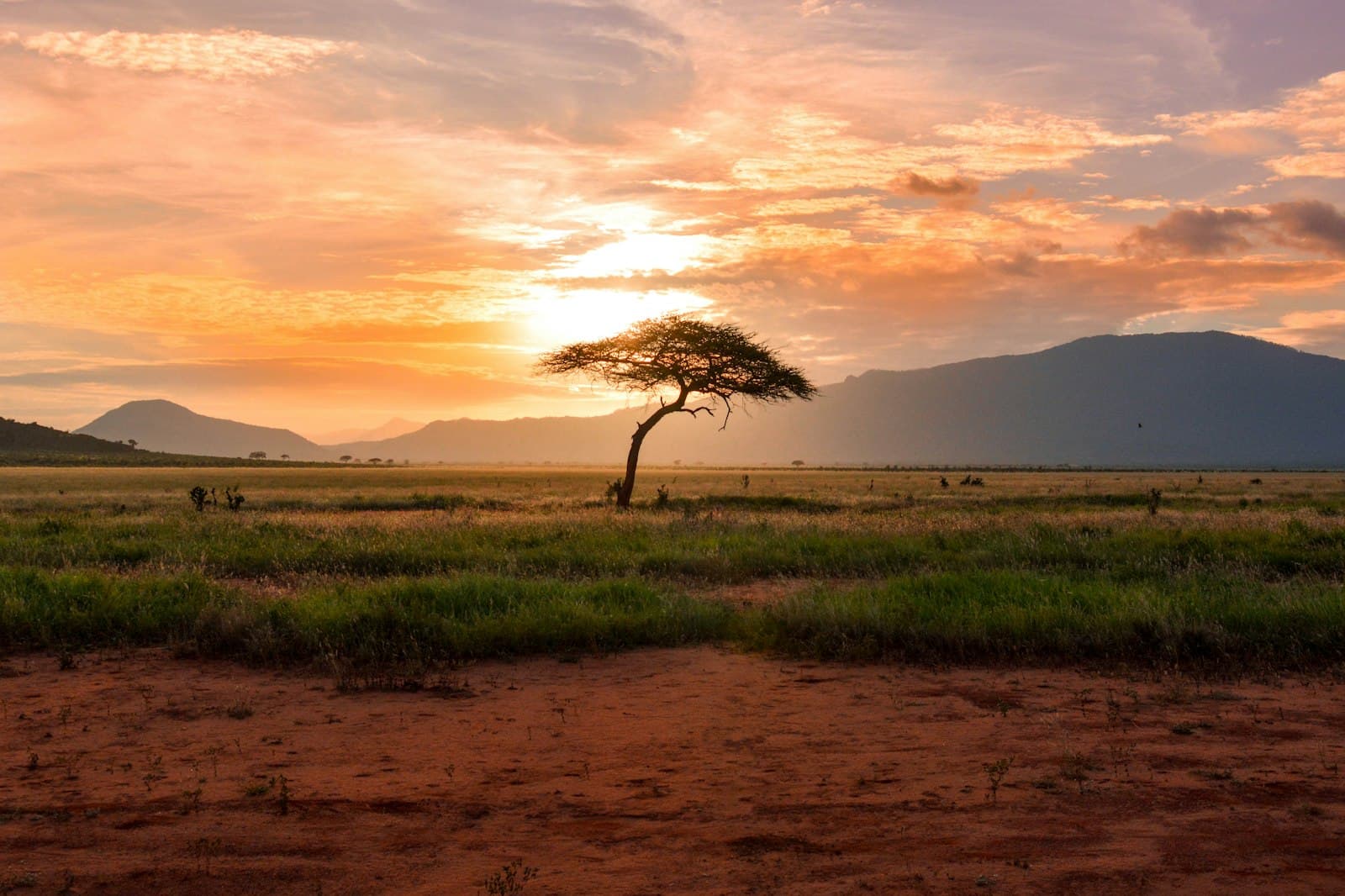
The climb begins at Momella Gate within Arusha National Park, starting through open savanna and acacia woodland before transitioning into montane forest, the same stretch where wildlife sightings are most likely. An armed ranger joins the group here specifically for this reason, walking alongside for the early hours before the terrain and altitude naturally rule out further wildlife encounters.
Costs Compared to Kilimanjaro
A Meru climb costs meaningfully less than a comparable Kilimanjaro itinerary, driven by the shorter duration and correspondingly smaller crew and permit fees required. For travelers deciding between the two purely on budget grounds, Meru delivers a genuinely complete high-altitude trekking experience at a fraction of Kilimanjaro's typical cost.
Combining Meru With a Broader Itinerary
Because Momella Gate sits so close to Arusha, a Meru climb fits naturally at the start or end of a broader Tanzania itinerary without requiring significant extra travel time, unlike Kilimanjaro, which more often anchors an entire dedicated trip on its own. It's a genuinely easy addition for travelers with a few spare days who want a proper trekking day without restructuring their whole safari itinerary around it.
Gear and Packing for Meru Specifically
Meru demands largely the same layered clothing and sturdy footwear as Kilimanjaro, given the similar range of temperatures from warm lower slopes to cold, windy summit conditions, though the shorter duration means less overall gear to pack and less need for a full high-altitude down jacket unless you run particularly cold. Trekking poles genuinely help on the steeper, more technical sections, more so than on many Kilimanjaro routes.
What Guides Say Sets Meru Apart
Guides who work both mountains regularly describe Meru as the more technically engaging climb of the two despite its lower altitude, the ridge walk and crater scenery demand a different kind of attention than Kilimanjaro's longer, steadier ascent. It's a common enough observation among experienced guides that we'd trust it over any generic online comparison between the two peaks.
What Fitness Level Meru Actually Requires
Meru demands solid general fitness and comfort with sustained multi-hour walking days, but doesn't require the same extended high-altitude conditioning Kilimanjaro rewards, given its shorter overall duration above 3,000 meters. Climbers who'd hesitate at Kilimanjaro's full commitment often find Meru a genuinely achievable stretch goal instead.
If Kilimanjaro is the main event of your trip, don't skip Meru purely because it's the smaller mountain. Climbed either as preparation or as a standalone trek, it consistently surprises guests who arrive expecting a simple warm-up and leave calling it one of the genuine highlights of their whole Tanzania trip, well worth the extra few days it adds to an already worthwhile Tanzania itinerary, and one more genuinely good reason to build a little extra time into your Tanzania trip itinerary if you possibly can.
Frequently asked questions
Is Mount Meru good acclimatization for Kilimanjaro?
Yes — spending 3 to 4 days on Meru before attempting Kilimanjaro gives real physiological acclimatization benefit and a practical test of your gear and fitness before the bigger climb.
How many days does it take to climb Mount Meru?
Our standard climb runs 3 days; a 4-day version adds an extra acclimatization night and generally improves both comfort and summit success.
Is Mount Meru easier than Kilimanjaro?
Shorter and lower, yes, but not simpler — Meru's summit night includes a genuinely technical knife-edge ridge walk that demands real attention and sure footing.
Do you stay in tents or huts on Mount Meru?
Huts — Meru uses mountain huts with basic bunks and shared facilities rather than the tented camping most Kilimanjaro routes use.
Is Mount Meru trekking difficult, and how does Mount Meru vs Kilimanjaro compare?
Mount Meru trekking is shorter and lower than Kilimanjaro but not necessarily easier — Meru difficulty comes from a genuinely technical summit-night ridge walk. Mount Meru vs Kilimanjaro is really a question of time and budget: Meru delivers a full high-altitude trekking experience in 3 to 4 days, and pairs naturally with Arusha National Park trekking on the lower slopes.
Plan a trip inspired by this post
Chat with us on WhatsApp to build a safari around what you just read.
Plan my safari