
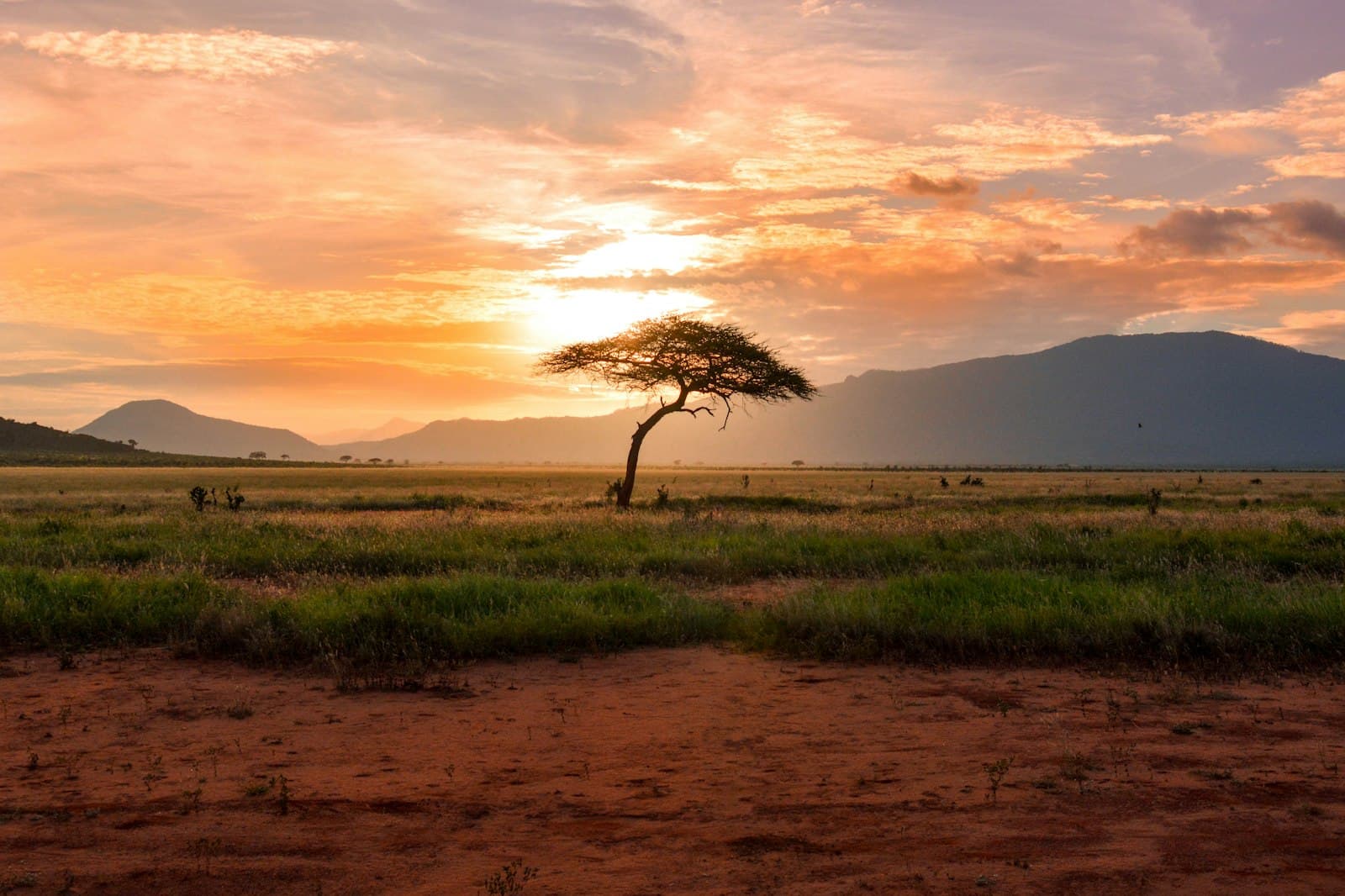
First-Time Safari Guide: What We Wish Every Guest Knew
July 20, 2026
First-Time Safari Guide: What We Wish Every Guest Knew
Almost every first-time guest arrives with the same unspoken worry: that they'll do something wrong, miss something obvious, or that the whole thing will feel less real than it does in photos. None of that happens in practice, but here's the honest rundown of what actually surprised our first-timers most, gathered from years of pickup conversations at the airport.
You Will See Far More Than You Expect in the First Hour
Most first-timers brace themselves for a slow start and instead see impala, zebra, or even elephant within minutes of entering a park gate. Wildlife density in Tanzania's northern circuit parks is high enough that the anticipated slow, quiet stretch most people fear from nature documentaries rarely matches the reality of an actual game drive.
Your Guide Knows More Than You'll Initially Give Them Credit For
Guides read tracks, listen for alarm calls from birds and smaller mammals, and radio other vehicles about sightings constantly throughout the day, all of which happens quietly enough that first-time guests sometimes don't notice how much work is going into finding what they're about to see. Ask questions. The guides genuinely enjoy explaining what they're doing, and most have spent a decade or more reading this specific landscape.
The Vehicle Becomes Your Whole World for the Day
Most game viewing happens from inside a 4x4 with a pop-up roof, and getting out of the vehicle is restricted to designated safe areas for genuine safety reasons, not overcaution. First-timers occasionally find this confining for the first hour and then stop noticing it entirely once the wildlife starts appearing at a distance that makes the vehicle feel more like a private box seat than a limitation.
Dust Gets Into Everything and That's Fine
Dirt roads through dry-season parks kick up a fine reddish dust that settles on cameras, bags, and clothing within the first day. It washes out and isn't worth stressing about. Pack accordingly rather than trying to stay pristine, since the travelers who relax about it enjoy the drives more than the ones fighting a losing battle against it.
Mornings Start Earlier Than Most Vacations

A 5:30am wake-up call for a 6am departure is standard on days with a full game drive planned, since animals are most active in the cool early hours and light for photography is best right after sunrise. It's an adjustment for guests used to vacation mornings built around a slow breakfast, but the payoff, cooler temperatures, active wildlife, and quieter parks before other vehicles arrive, is worth the alarm clock.
Not Every Drive Delivers a Big Cat, and That's Normal
Lion and leopard sightings aren't guaranteed on any single drive, even in parks famous for them, and a good operator won't promise otherwise. What we can promise is a genuinely high cumulative probability across a multi-day itinerary. The parks we run trips in have strong resident populations, but wildlife doesn't work on a schedule, and a guide chasing a guaranteed sighting instead of reading the day honestly is a red flag, not a selling point.
Money and Tipping Work Differently Than You'd Expect
Cash tips for your guide and camp staff, generally in US dollars, are the norm rather than an optional extra, and most camps and lodges don't expect payment for individual drinks or extras to be settled daily. It usually goes on a tab, settled at checkout. Small denomination bills in good condition are more useful than large ones for tips and curio-shop purchases along the way.
You'll Be Asked About Your Trip Before It's Even Confirmed
A good operator asks detailed questions before quoting you anything: your priorities, your budget range, whether you've traveled internationally before, physical considerations, and what specifically drew you to Tanzania. If an operator sends a fixed-package price without asking any of that first, that's usually a sign they're selling a template, not building a trip around you.
The Small Moments Often Land Harder Than the Big Five
Ask past guests what they remember most and it's rarely just seeing a lion. It's a specific sunrise over the Serengeti plains, a young elephant testing its trunk on a fallen branch, or a quiet half hour parked beside a waterhole watching nothing dramatic happen at all. First-timers who arrive focused purely on a checklist of animals often leave surprised by how much the ordinary moments stuck with them.
Health and Comfort Prep Matters More Than Gear
Sunscreen, a hat, and staying hydrated through long driving days do more for your actual comfort than any piece of specialized safari gear. Malaria prophylaxis and travel insurance are worth sorting with your own doctor and provider well before departure rather than as an afterthought, and neither is something we're able to advise on directly.
It's Genuinely Fine to Ask Whether Something Is Normal
Guests ask us constantly whether a bumpy road, a delayed flight connection, an overcast morning, or a quiet stretch without sightings is something to worry about. Almost always, the answer is that it's a completely normal part of how a multi-day safari actually unfolds, and guides would rather field the question than have a guest quietly worrying about nothing.
What First-Timers Consistently Get Wrong When Packing an Itinerary

The most common mistake we see isn't in what people pack, it's in how many parks people try to cram into a short trip. Two well-chosen parks with two nights each almost always beats four parks with one night each, since the travel time between parks eats into game-viewing hours and the constant packing and unpacking wears people down faster than they expect.
What Happens the Moment You Land
A representative meets you at the airport before you've even reached baggage claim in most cases, holding a sign with your name, and the drive to your first hotel or lodge doubles as an informal briefing on what the next few days actually look like. First-timers sometimes expect a more chaotic arrival process given everything they've read about international travel logistics, and are surprised by how smoothly this specific handoff tends to go.
Language Is Almost Never a Barrier
English is widely spoken throughout Tanzania's tourism industry, and every guide we work with is fluent. Swahili greetings go a long way with camp staff and are genuinely appreciated, but guests worried about a language barrier derailing communication on their trip can set that concern aside entirely.
Signal and Connectivity Vary More Than You'd Expect
Arusha and larger towns have reliable mobile data, while remote camps deep inside parks range from decent Wi-Fi in the mess tent to no signal at all. This is worth knowing in advance if staying reachable matters to you, and it's also, for many first-timers, one of the more welcome parts of the trip once they're actually there and not checking a phone every hour.
One Last Thing Worth Saying Plainly
None of this requires special preparation beyond the ordinary logistics of any international trip. We've sent first-timers of every age and fitness level, traveling entirely solo and in large family groups, and the thing nearly all of them say afterward is that it was easier and less intimidating in practice than it felt while planning it from home.
The single best piece of advice we can give a first-timer is to build in a little slack rather than overpacking the itinerary. The trips that get remembered fondly tend to have room for an unplanned extra hour at a sighting, not a schedule so tight there's no time to actually sit with what you're seeing.
Frequently asked questions
Is a first Tanzania safari safe?
Yes — reputable operators run private vehicles with experienced guides on well-established routes, and serious incidents are rare. The bigger practical concerns are sun exposure and long travel days, not wildlife encounters.
How many days is enough for a first safari?
Five to seven days covering two or three parks gives most first-timers a genuinely well-rounded experience without feeling rushed between long transfer days.
What should I expect on my first game drive?
Early starts, a guide actively reading tracks and radio chatter from other vehicles, and sightings appearing more quickly than most first-timers expect, often within the first hour.
Do I need prior travel experience for a safari?
No — most of our first-time guests have never done anything like it before, and a good operator handles the logistics so the trip doesn't require independent travel experience.
What are the best first-time safari tips, and is a Tanzania safari safe?
Our top first time safari tips for anyone treating this as a safari for beginners: build in slack, ask questions, and don't overpack the itinerary. As for whether a Tanzania safari is safe — yes, with a reputable operator and experienced guides, and most of what to expect on safari is far less intimidating in person than it seems while planning. This safari FAQ covers the rest.
Plan a trip inspired by this post
Chat with us on WhatsApp to build a safari around what you just read.
Plan my safari